Why Billings Shale Clay Makes Foundations Move
If you live in Billings, you already know the ground here is not like the soil in other parts of the country. Much of the area sits on expansive shale clay, a dense, heavy material that behaves very differently from sandy or loamy soils. When this clay gets wet, it swells. When it dries out, it shrinks. That constant cycle of expansion and contraction puts enormous pressure on foundation walls, and over time, that pressure has to go somewhere.
This is the root of what we call Billings shale clay foundation movement. The clay does not just sit quietly against your basement wall. It pushes. During a wet spring, the soil can expand enough to bow walls inward. During a dry summer, it pulls away and leaves gaps that let water pour in. Homeowners in older neighborhoods and newer subdivisions alike deal with this, and it is not a sign of poor construction. It is simply the geology of the region working against your home.
How Clay Soil Basement Leaks Actually Start
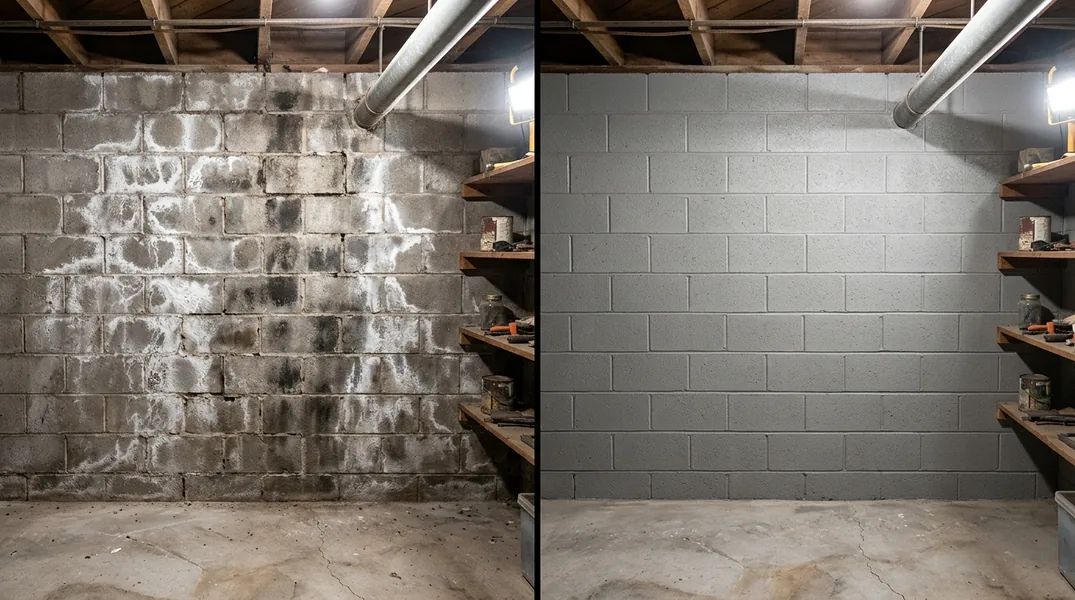
Most basement leaks in this region do not begin with a visible hole. They begin with a hairline crack that forms as the foundation shifts, then widens as the clay keeps pushing and pulling. Water finds that crack during the next rain or snowmelt, and suddenly you have a damp corner, a white powdery stain, or a puddle on the floor. Clay soil basement leaks are especially common because the clay holds moisture against the foundation far longer than looser soils would.
Once water is inside the wall, it can travel sideways and show up far from the actual entry point, which is why homeowners are often surprised by where the dampness appears. The fix is not just patching the visible spot. Real Foundation Waterproofing addresses the source: the soil pressure, the drainage, and the cracks together. Without that, the same leak returns with the next wet season.
Billings Foundation Cracks: What They Are Telling You
Not every crack means disaster, but every crack is information. A vertical crack in a poured wall often points to settling or shrinkage, while a horizontal crack or a wall that bows inward is a stronger warning sign of soil pressure. Stair-step cracks in block walls usually follow the mortar joints and often trace back to movement in the footing. In this region, Billings foundation cracks tend to appear and grow seasonally, which is exactly what you would expect from clay that swells and shrinks.
What matters most is whether the crack is active. If you can fit a fingernail into it, if it has widened since last year, or if it comes with a damp floor or a musty smell, it deserves attention now. Catching movement early is far less expensive than waiting for a wall to bow or a floor to heave. A professional inspection can tell you whether you are looking at cosmetic settling or something that needs structural attention.
Basement Waterproofing Near Me: When to Call a Pro
Some homeowners can manage a small damp spot with a dehumidifier and a fresh coat of sealant, but there is a point where DIY stops working. If you see water on the floor after heavy rain, efflorescence on the walls, rusted bottom plates, or a crack that keeps returning after patching, it is time to call in a professional. These are signs that water is moving through the foundation itself, not just lingering on the surface.
This is where a proper Basement Waterproofing plan matters. Depending on what we find, the right solution might be an Interior Drain Tile System that captures water before it reaches the floor, or Exterior Basement Waterproofing that relieves soil pressure and seals the wall from the outside. We also serve nearby communities like Laurel and Red Lodge, where similar soil conditions create the same problems. If you are unsure what you are dealing with, a free estimate is the fastest way to get a straight answer.
Basement Waterproofing Cost in Billings: What to Budget
Homeowners ask about cost early, and that is fair. The honest answer is that pricing depends on the cause and the extent of the problem. A single crack injection is a very different job from a full interior drain system or exterior excavation. The good news is that diagnosing the issue correctly the first time usually saves money, because you are not paying twice for a fix that did not address the source.
What drives the number is straightforward: how much wall is affected, whether the footing is involved, how much soil pressure needs to be relieved, and which method fits your home. We walk through those factors with you before any work begins, so you know what you are paying for and why. If you want a realistic figure for your property, call Billings Waterproofing at (406) 500-5258 and we will schedule a look.
Protecting Your Home From Billings Soil Movement
You cannot change the clay under your house, but you can manage how it interacts with your foundation. Keeping gutters clean and discharging water well away from the walls, grading the soil so it slopes away from the home, and avoiding overwatering landscaping near the foundation all reduce the swelling and shrinking cycle. These steps will not fix an existing crack, but they slow the movement that causes new ones.
Long term, the most reliable protection is a waterproofing system designed for this soil, not a generic one. Homes in Hardin and across the region face the same clay, and the solutions that hold up are the ones built around drainage, pressure relief, and a sealed envelope. If your basement has been damp, musty, or cracked for more than one season, it is worth getting ahead of it. Reach out to Billings Waterproofing for a free estimate and a clear plan for keeping your basement dry.
Looking for a professional basement waterproofing contractor in Billings? Billings Waterproofing responds fast for all your basement waterproofing needs.
Get a Free QuoteOur services: Basement Waterproofing · Interior Drain Tile System · Exterior Basement Waterproofing