Why Spring Is the Riskiest Season for a Billings Basement
Spring in Billings brings welcome warmth, but it also triggers a predictable chain of events that can send water straight into your basement. As temperatures climb, the deep snowpack in the mountains and foothills west and south of the city begins to melt rapidly. That meltwater has to go somewhere, and a lot of it ends up in the Yellowstone River and its tributaries. When the river runs high, the water table beneath the valley floor rises with it, and that is when homeowners start noticing damp walls, musty odors, and water pooling on the basement floor.
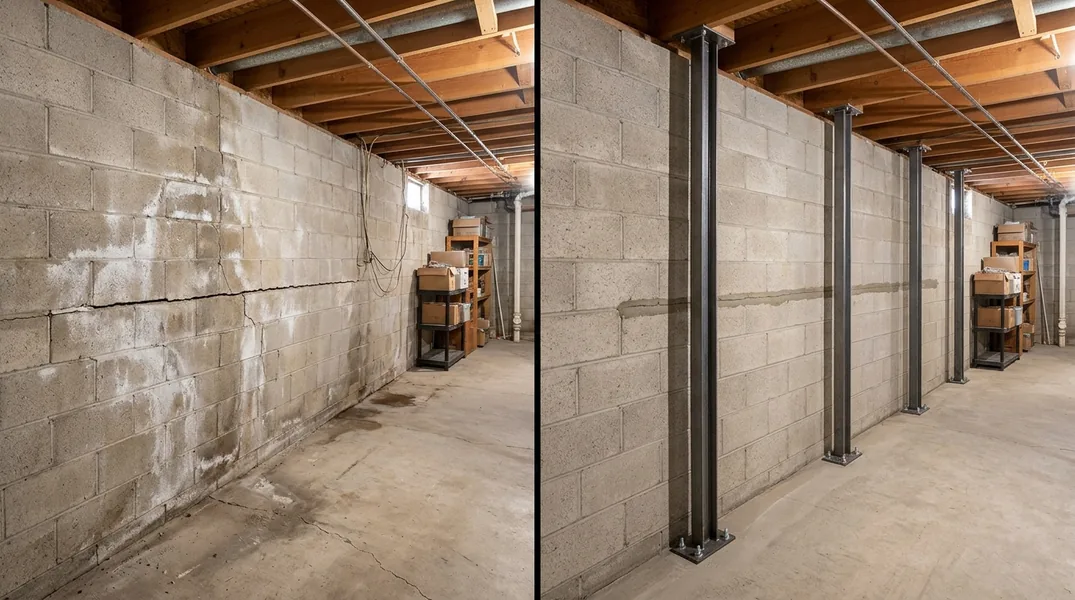
What makes this season especially tricky is that the threat does not always come from a visible flood. Many Billings basements flood simply because the ground around the foundation is saturated and has nowhere else to drain. Hydrostatic pressure builds against the basement walls, forcing water through hairline cracks, mortar joints, and the cove where the wall meets the floor. Even homes that have stayed dry for years can suddenly develop problems during a heavy snowmelt year. Understanding this cycle is the first step toward protecting your home before the water arrives.
How Snowmelt and Rising Groundwater Find Their Way In
Water is persistent, and it will exploit the smallest weakness in your home's envelope. During spring snowmelt, the soil around your foundation stays saturated for weeks. That constant moisture puts pressure on your foundation walls and can also compromise the footing drains that were installed when the home was built. If those drains are clogged with roots, silt, or age, water has no way to be carried away from the house. Instead, it collects in the soil and pushes inward. This is why rising groundwater is often the hidden culprit behind basement seepage that seems to appear out of nowhere.
On top of groundwater, spring storms can dump heavy rain on ground that is already thawing and saturated. The combination of snowmelt and rain is what makes Basement Waterproofing so important in this region. Water can enter through window wells, cracks in poured concrete, the top of block foundations, and even through porous concrete itself. Once inside, it can damage flooring, ruin stored belongings, and create the damp environment that leads to mold. The good news is that most of these entry points can be addressed with the right approach.
Basement Flood Prevention: Steps You Can Take Before the Melt
There is a lot a homeowner can do in late winter and early spring to reduce the risk of Laurel-area and Billings basement flooding. Start by checking the grading around your foundation. The ground should slope away from the house at a steady rate so that surface water drains away rather than pooling against the walls. If you have settled soil or mulch beds that slope back toward the foundation, regrade them. Next, make sure your downspouts discharge several feet away from the house and that gutters are clear of debris. A simple extension on a downspout can move hundreds of gallons of roof water away from your basement during a spring storm.
Window wells are another common weak spot. If they fill with water during heavy rain or snowmelt, that water can seep through the window frame. Keep them clear of leaves and consider a cover that still allows light in. Inside the basement, check for existing cracks and monitor them during wet periods. While these steps are not a substitute for professional Foundation Waterproofing, they can buy you time and reduce the severity of water intrusion. If you are already seeing water, it is worth scheduling a free estimate to find out exactly what is happening and what it will take to fix it.
Basement Waterproofing Near Me: When to Call a Professional
Some basement water problems are minor and can be managed with landscaping and maintenance. Others point to a deeper issue that will only get worse. If you see standing water on the floor, efflorescence (the white powdery residue on walls), recurring dampness, or cracks that seem to widen over time, it is time to bring in a professional. In the Billings area, the combination of spring snowmelt and high groundwater means these problems tend to return every year unless the underlying cause is corrected. A contractor can evaluate your foundation, drainage, and soil conditions and recommend a solution tailored to your home.
A proper assessment matters because the fix for rising groundwater is different from the fix for a leaking window well or a cracked wall. In many cases, an Interior Drain Tile System is the most effective way to manage water that is already pressing against the foundation from below. In other situations, Exterior Basement Waterproofing is needed to address the source before it reaches the wall. A good contractor will explain the tradeoffs and help you choose the approach that fits your home and budget. If you are searching for basement waterproofing near me in the Billings area, look for a local company that understands the specific challenges of Yellowstone River basin soils and snowmelt patterns.
Basement Waterproofing Cost in Billings: What to Budget
Homeowners often want to know what basement waterproofing will cost before they commit. The honest answer is that it depends on the size of your basement, the severity of the water problem, and the method required. A simple crack injection or minor sealing job is far less expensive than a full interior drain tile system or exterior excavation. Because every home is different, the best way to get an accurate number is to have a professional look at your specific situation. Billings Waterproofing provides clear, written pricing so you know what to expect before any work begins.
It also helps to think of waterproofing as an investment rather than a one-time expense. Water damage repairs, mold remediation, and replacing ruined belongings can easily cost more than preventing the problem in the first place. Spring snowmelt and Yellowstone River high water are not going away, and a basement that stays dry protects your home's value and your peace of mind. If you would like to understand the options and costs for your home, reach out to Billings Waterproofing at (406) 500-5258 or request a free estimate. Serving Red Lodge and Hardin as well as Billings, the team can help you get ahead of the spring thaw.
Looking for a professional basement waterproofing contractor in Billings? Billings Waterproofing responds fast for all your basement waterproofing needs.
Get a Free QuoteOur services: Basement Waterproofing · Interior Drain Tile System · Exterior Basement Waterproofing